
Natural vs Lab-Grown Diamonds: What Australian Buyers Should Know
In Australia, the conversation around diamonds has evolved significantly.
Today's buyers are not only interested in beauty and craftsmanship, but also in ethics, sustainability and long-term value. As a result, many couples find themselves deciding between natural and lab-grown diamonds a choice that feels both practical and deeply personal.
This guide explains the differences clearly, without bias, so you can make an informed decision that aligns with your values and your vision.
Why This Question Matters More Than Ever in Australia
Changing Buyer Values and Ethical Awareness
Australian buyers are increasingly conscious of where products come from and how they are made. Transparency, sustainability and responsible sourcing now play a significant role in purchasing decisions especially for jewellery meant to last a lifetime.
How Diamond Choices Reflect Personal Priorities
Choosing a diamond is no longer just about appearance. For many couples, it reflects beliefs around ethics, environmental responsibility, budget priorities and emotional symbolism.
What Is a Natural Diamond?
How Natural Diamonds Are Formed
Natural diamonds are created deep within the Earth over billions of years under extreme heat and pressure. Each stone is unique, carrying a geological history that cannot be replicated.
Rarity, Heritage and Emotional Value
Many buyers are drawn to natural diamonds for their rarity and traditional symbolism. They are often associated with legacy, permanence and generational value.
What Is a Lab-Grown Diamond?
How Lab-Grown Diamonds Are Created
Lab-grown diamonds are produced in controlled environments using advanced technology that replicates natural diamond-forming conditions. The result is a diamond that is chemically and visually identical to a natural one.
Visual and Chemical Identity Compared to Natural Diamonds
To the naked eye and even under magnification lab-grown diamonds are indistinguishable from natural diamonds. They are graded using the same standards for cut, colour, clarity and carat.
Key Differences Between Natural and Lab-Grown Diamonds
Price and Budget Considerations
Lab-grown diamonds typically cost less, allowing buyers to choose a larger carat size or higher clarity within the same budget.
Natural diamonds command higher prices due to rarity and long-term market perception.
Sustainability and Ethical Sourcing
Lab-grown diamonds are often chosen for their reduced environmental footprint and supply-chain transparency.
Natural diamonds, when responsibly sourced, also meet strict ethical standards the key is verification and trust.
Long-Term Value and Perception
Natural diamonds tend to retain long-term value and traditional prestige.
Lab-grown diamonds prioritise accessibility and modern values over resale considerations.
What Do Australian Buyers Tend to Choose?
Trends Among Modern Couples
In Australia, preferences are evenly split.
Some couples value the heritage and symbolism of natural diamonds, while others prefer the ethical and budget-friendly advantages of lab-grown stones.
Generational Preferences
Buyer preferences often differ by generation. Younger couples are increasingly open to lab grown diamonds, appreciating the flexibility they offer for custom design, size, and value.
Many older buyers continue to prefer natural diamonds, drawn to their geological rarity, long history, and traditional symbolism.
How Diamond Choice Affects Design and Setting
Carat Size, Proportions and Visual Impact
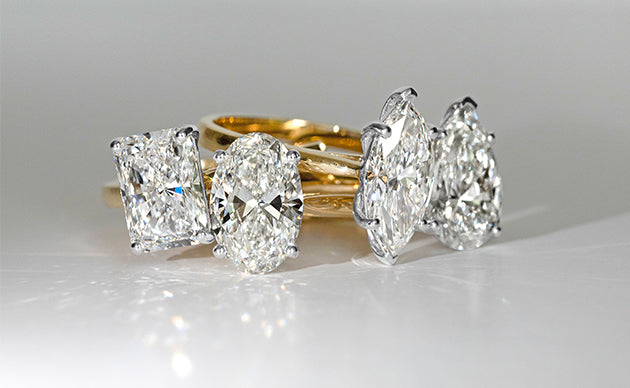
Lab-grown diamonds allow for greater flexibility in size and proportion, which can influence the overall presence of the ring.
Natural diamonds often encourage more refined, balanced designs.
Metal Choice and Overall Aesthetic
Both diamond types pair beautifully with yellow gold, rose gold, white gold and platinum.
The choice of metal often influences how the diamond's tone and brilliance are perceived.
Which Option Is Right for You?
Questions to Ask Before Making a Decision
- Do you value tradition or modern innovation more?
- Is sustainability a priority for you?
- Would you prefer a larger stone or a rarer one?
Why There Is No "Better" Choice - Only the Right One
There is no universally correct option.
The right diamond is the one that aligns with your values, lifestyle and the story you want your ring to tell.
Looking Beyond Diamonds: A Thoughtful Alternative for Some Couples
While diamonds remain the most traditional choice for engagement rings, they are not the only meaningful option.
For some couples, coloured gemstones such as emeralds, sapphires or rubies offer a different kind of symbolism — one that reflects individuality, heritage, or personal story rather than convention.
Sapphires are prized for their durability and depth of colour, emeralds for their rarity and character, and rubies for their strength and vivid presence. Each stone carries its own history, symbolism and design considerations, and when chosen well, can be just as enduring and significant as a diamond.
At Saint Stone, our concierge approach means we don't begin with a stone type — we begin with your values, lifestyle and vision. In some cases, that naturally leads to a diamond. In others, a carefully selected coloured gemstone becomes the centrepiece of a ring that feels deeply personal and unmistakably yours.
If you're open to exploring what's possible beyond tradition, we're here to guide you through those options with the same care, expertise and attention to detail.
How Saint Stone Helps You Choose with Confidence
At Saint Stone, we guide clients through both options with clarity and transparency.
By focusing on craftsmanship, proportion and personal meaning, we ensure every ring natural or lab-grown feels intentional, refined and uniquely yours.